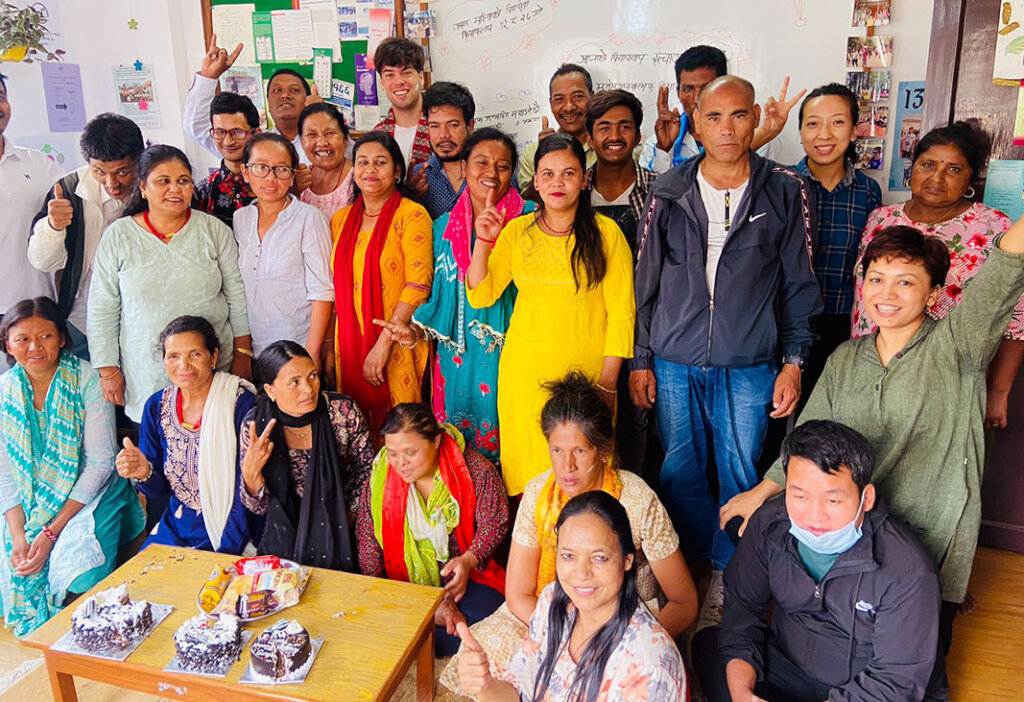
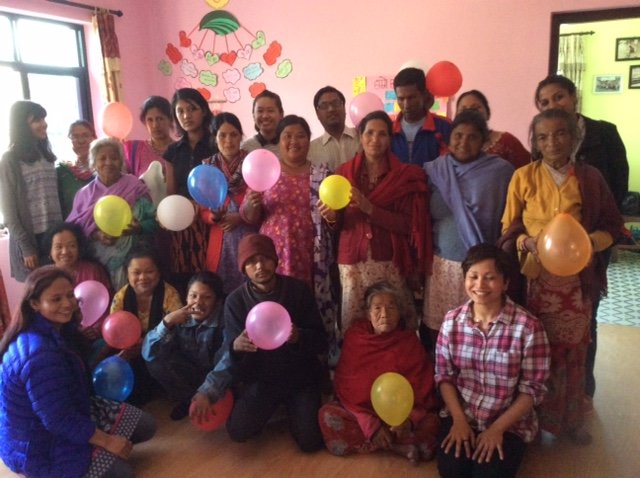
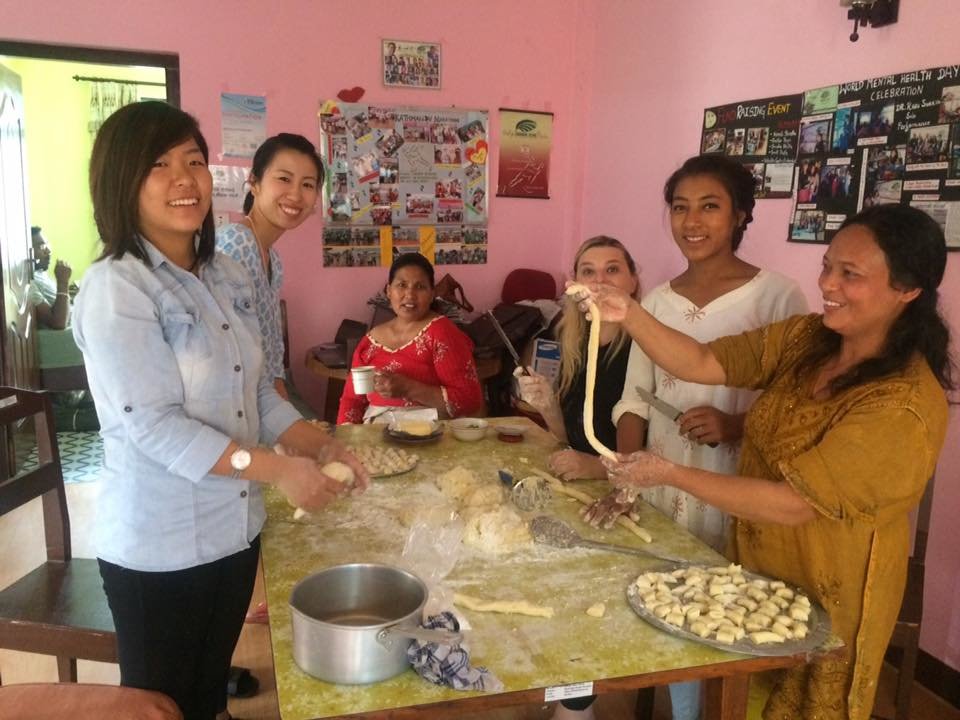
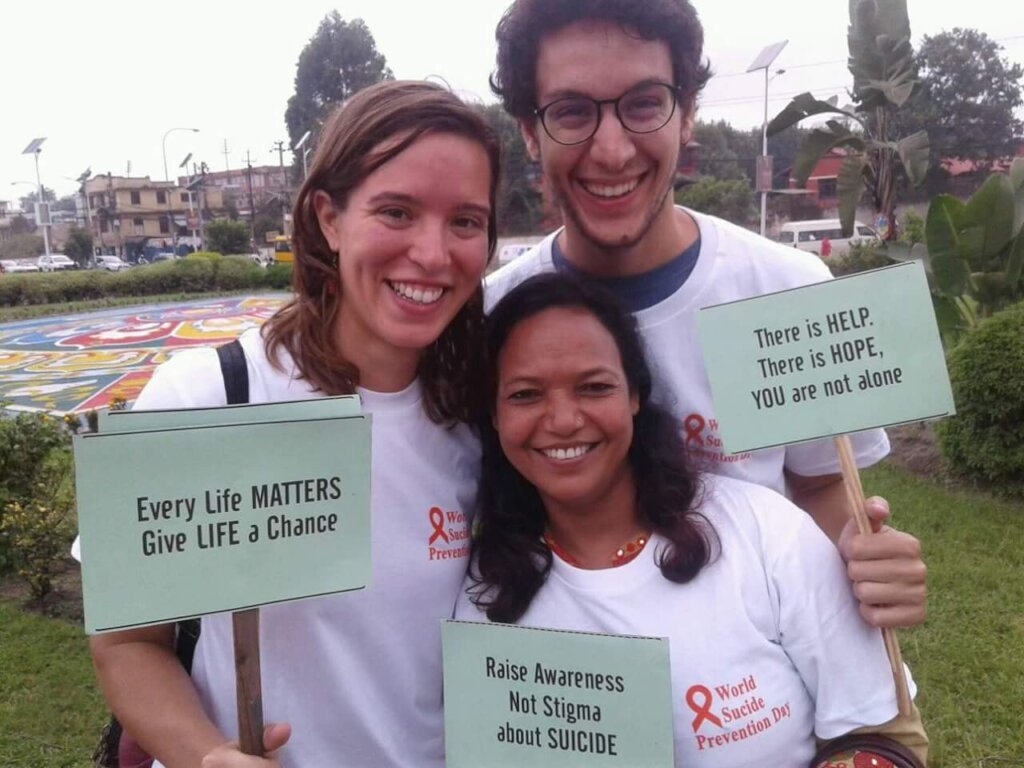
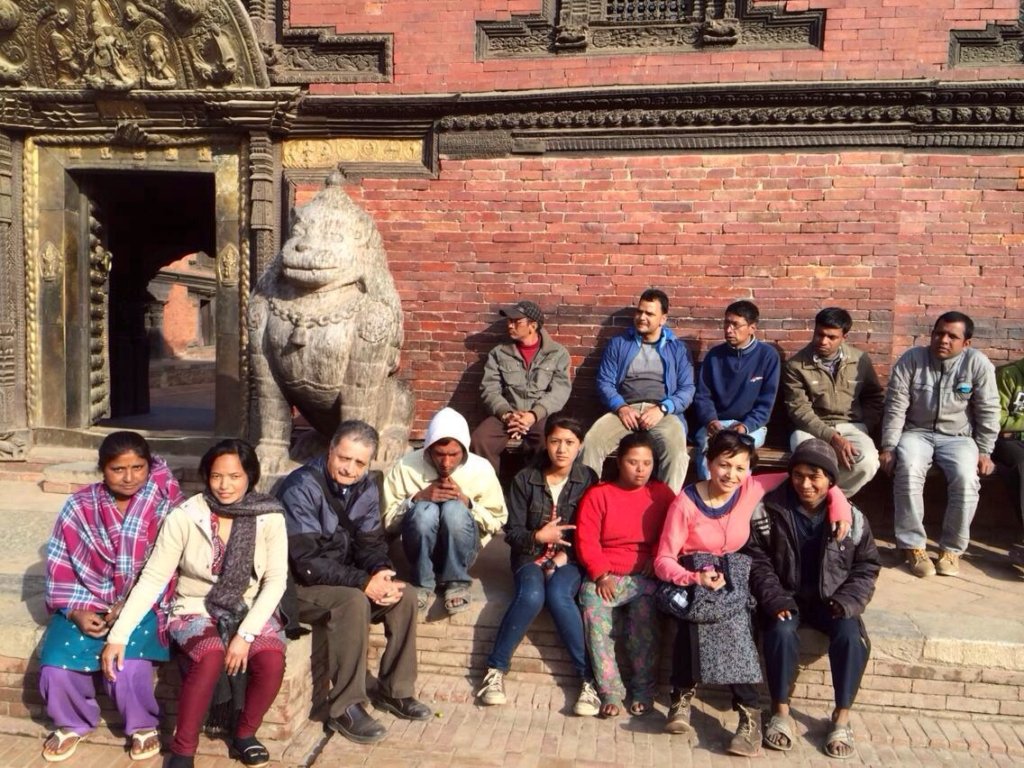
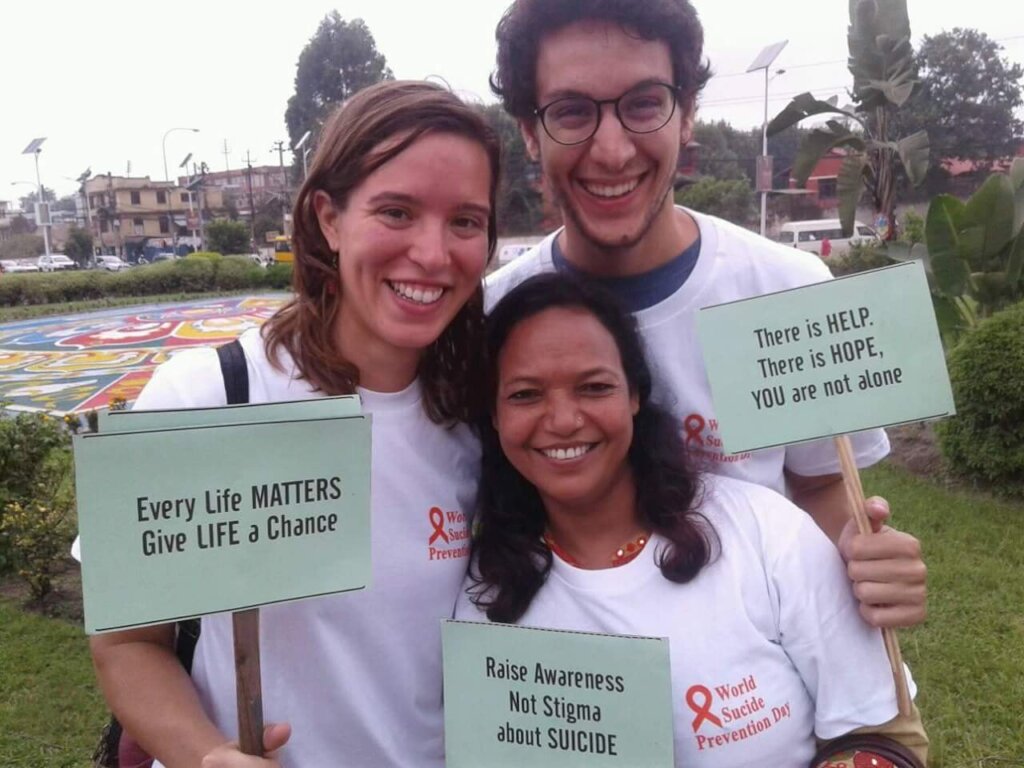
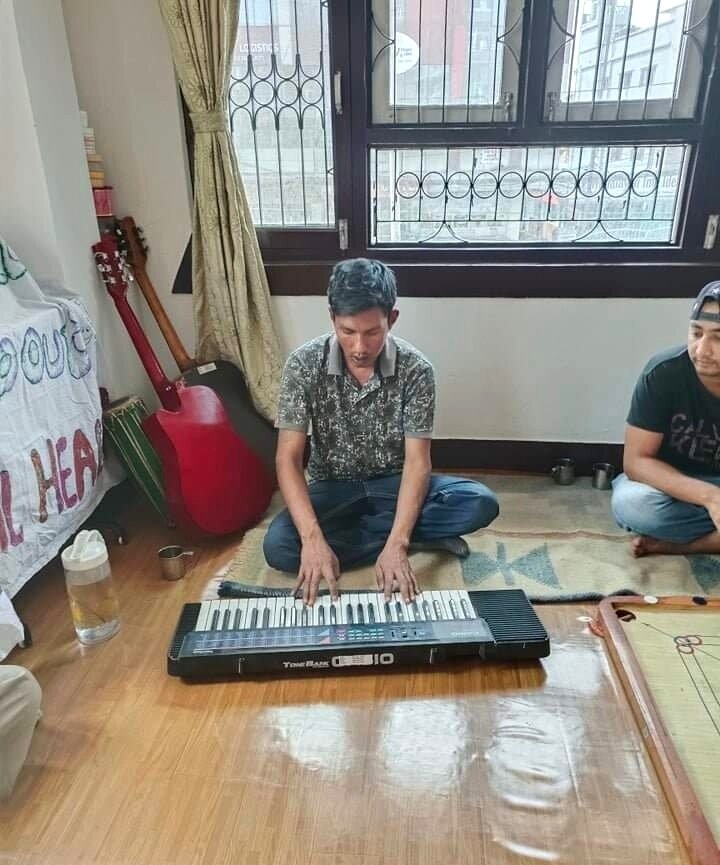
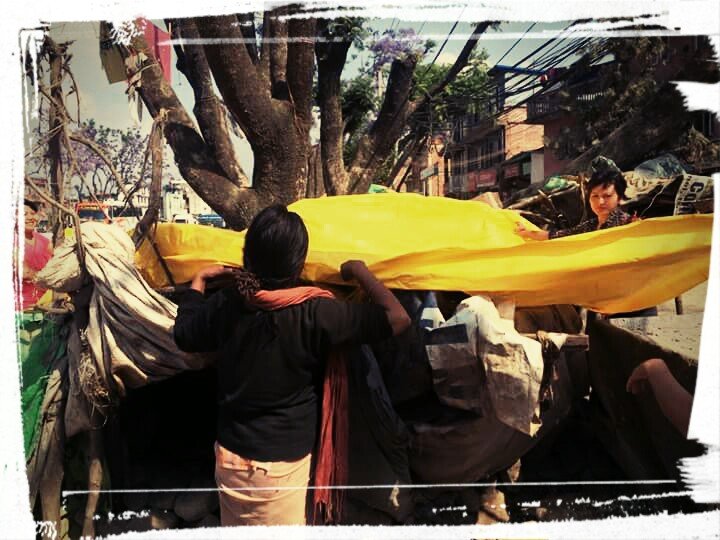
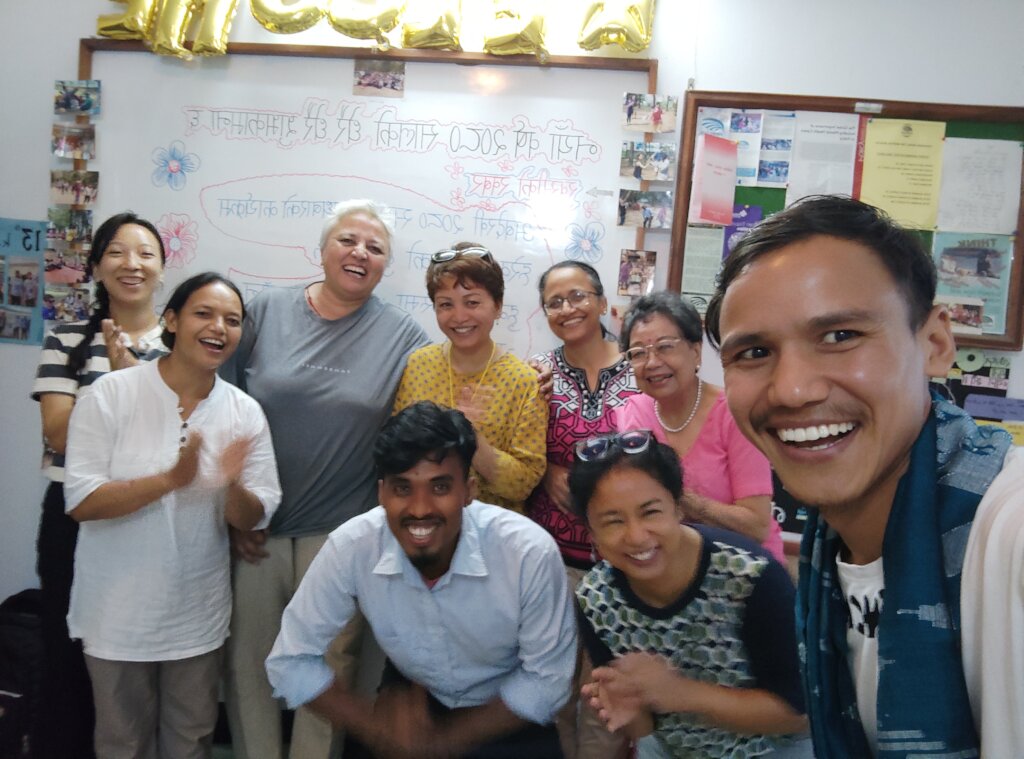
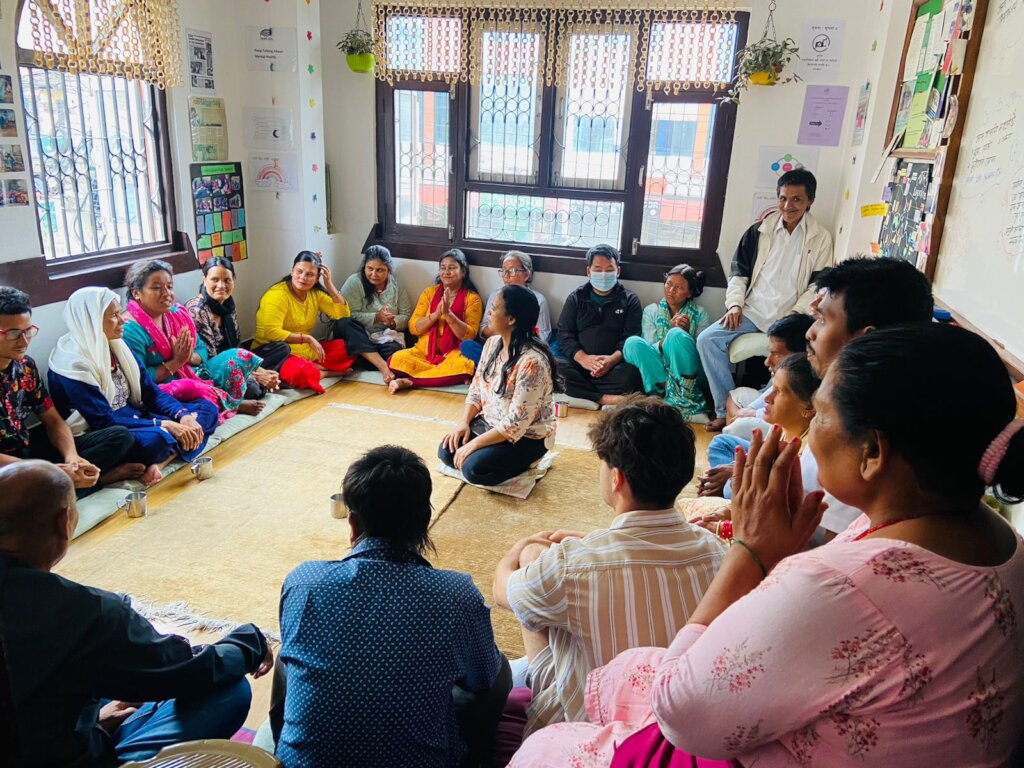
We initiated our "Welcome Centre" for our mentally distressed Clients. At the Centre we conduct activities that allow them the freedom of expression, interaction and building of self-esteem. We do this through counselling sessions, vocational classes, creative art, music therapy, yoga and outdoor activities. To encourage them we also include their Family and Carers to be a part of their support system. Our Team conduct regular home visits. Your support helps us help them
Challenge
Lack of awareness retains traditional beliefs of mental illness in society. Conventional treatments neglect cultural, spiritual & economic values. They disregard the importance of the role of families.Monthly household incomes average only about $50 while treatments cost a minimum of $25 each time. A meager 0.14% is spent by the Nepalese Government on mental health. This is allocated for hospital services only.
Solution
By providing a "Welcome Centre" which includes free counselling sessions and creative therapy classes that engage the Clients, their Carers and Family. By giving their family members space to express their anxieties and seek solutions for their problems. And by negotiating affordable treatment at government and private hospitals.
Long-Term Impact
Provision of treatment along with family support to Clients from 10 communities, gradually expanding outside of Kathmandu Valley. Teaching them income generating skills which will be beneficial to them and their families. Establishing a basket fund for treatment to supplement family resources. Engaging the community, especially youth, in raising awareness about mental health, and by facilitating capacity building opportunities through volunteering.
The research on Chhahari Nepal for Mental Health (CNMH) unveils a compelling narrative of impact and effectiveness in mental health services, strengthened by the collaboration of two dedicated interns from the University of Birmingham and Dickinson College. Together, they facilitated surveys with 25 regular clients and caregivers, creating a platform for these individuals to evaluate the services and reflect on their personal and social well-being.
The findings paint a largely positive picture, with clients and caregivers expressing appreciation for CNMH’s approach, particularly the valuable home visits that provide tailored support to meet individual needs. This person-centered model is critical in a context where mental health education is limited, allowing staff to assist clients in navigating their daily lives, including medication management.
Many participants felt a sense of safety and belonging at CNMH, a crucial aspect given the scarcity of such supportive environments in Kathmandu. However, the study also sheds light on the challenges of social connectedness. While clients reported feeling closer to their families, they still faced significant stigma and isolation within the broader community. This disconnect underscores the societal hurdles that continue to affect those with mental health conditions.
Caregivers, on the other hand, reported feeling burdened and often unrecognised for their efforts, yet they noted observable improvements in their family members' mental health. This dual perspective highlights the importance of supporting both clients and caregivers, as the latter often go unnoticed in discussions about mental health care.
The collaboration between CNMH and the Australian Nepal Mental Health Network has been pivotal in developing effective strategies for support. The research underscores a pressing demand for expanded mental health services, particularly in remote areas, and emphasizes the need for community education to combat stigma and foster social integration.
In summary, while CNMH has made significant strides in enhancing the quality of life for clients and caregivers, the journey toward comprehensive mental health support in Nepal continues. This study not only reflects the successes of CNMH but also signals the vital importance of further investment in mental health education and resources across the region.
General Question
Related Causes