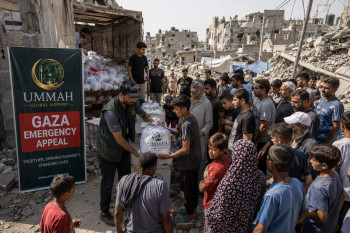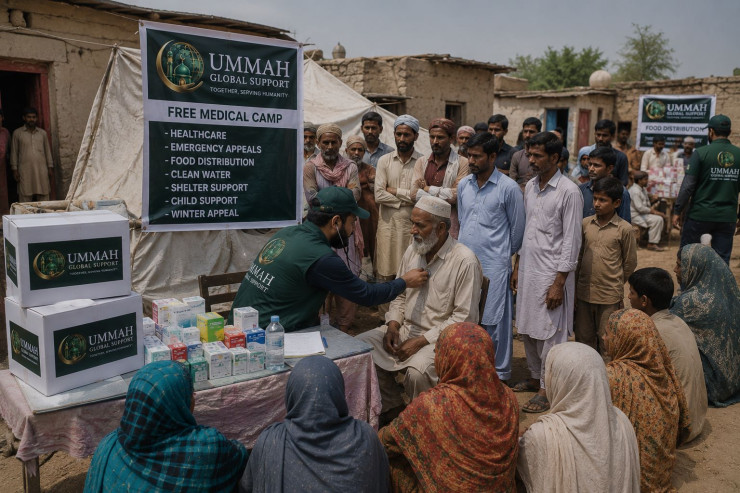
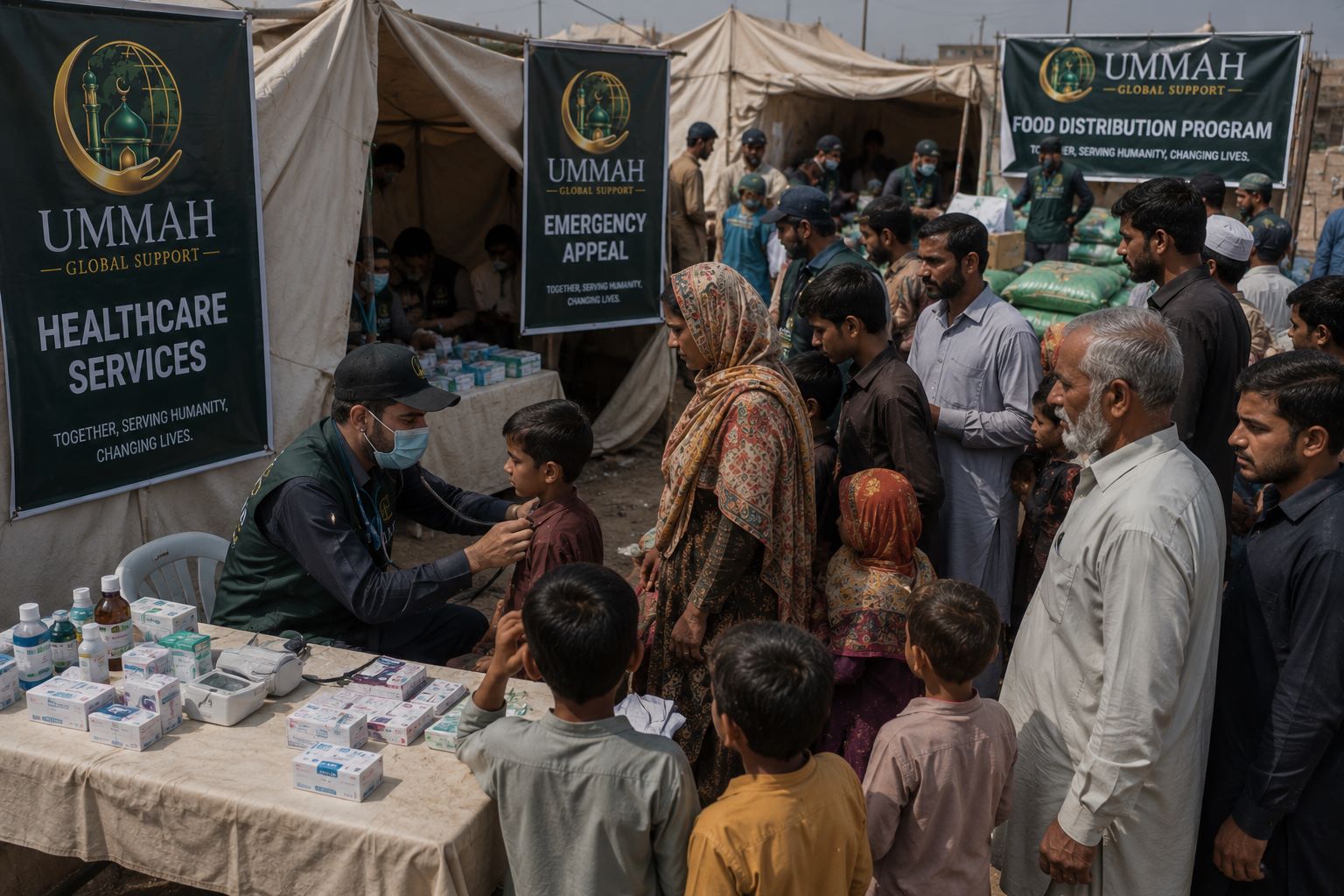
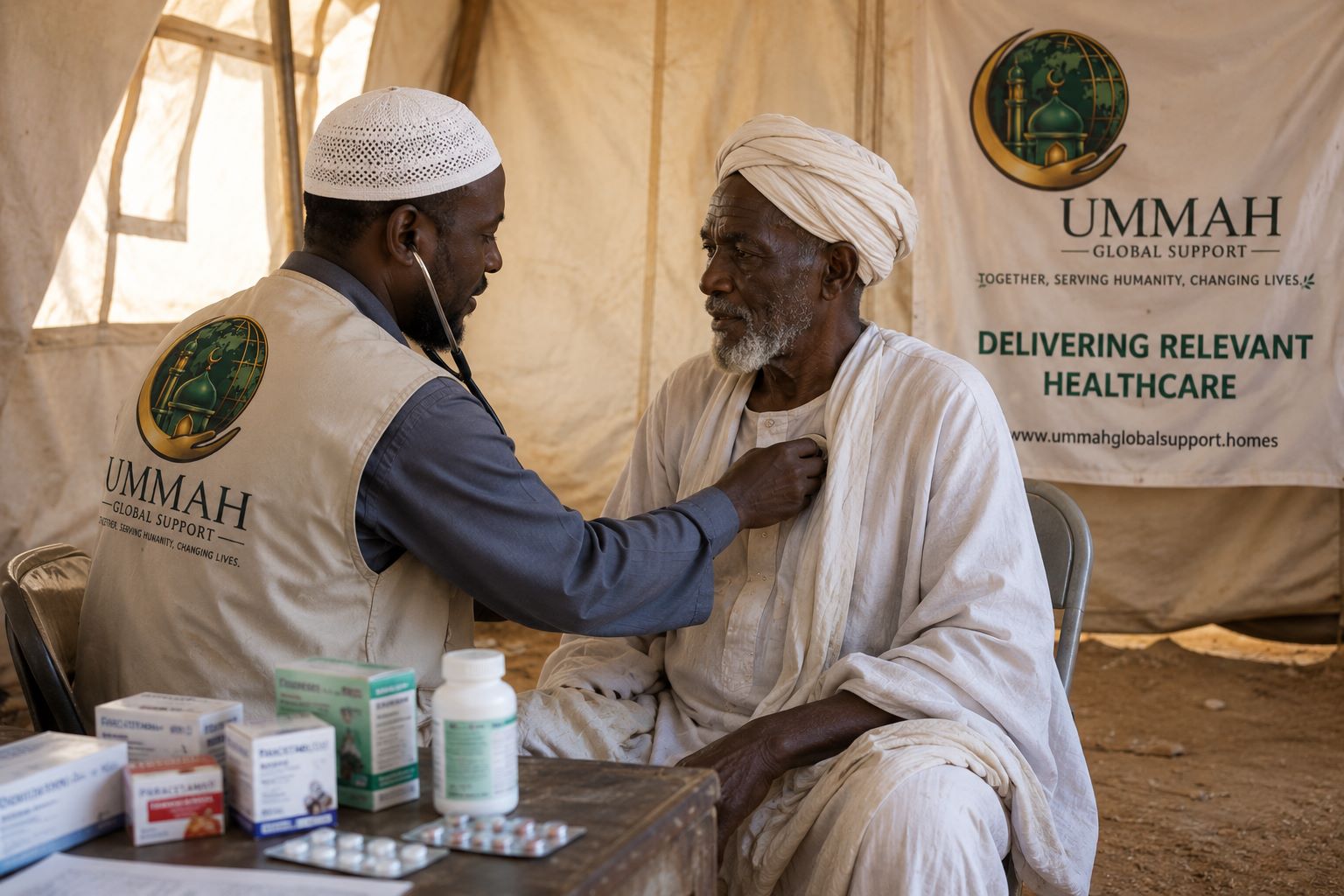
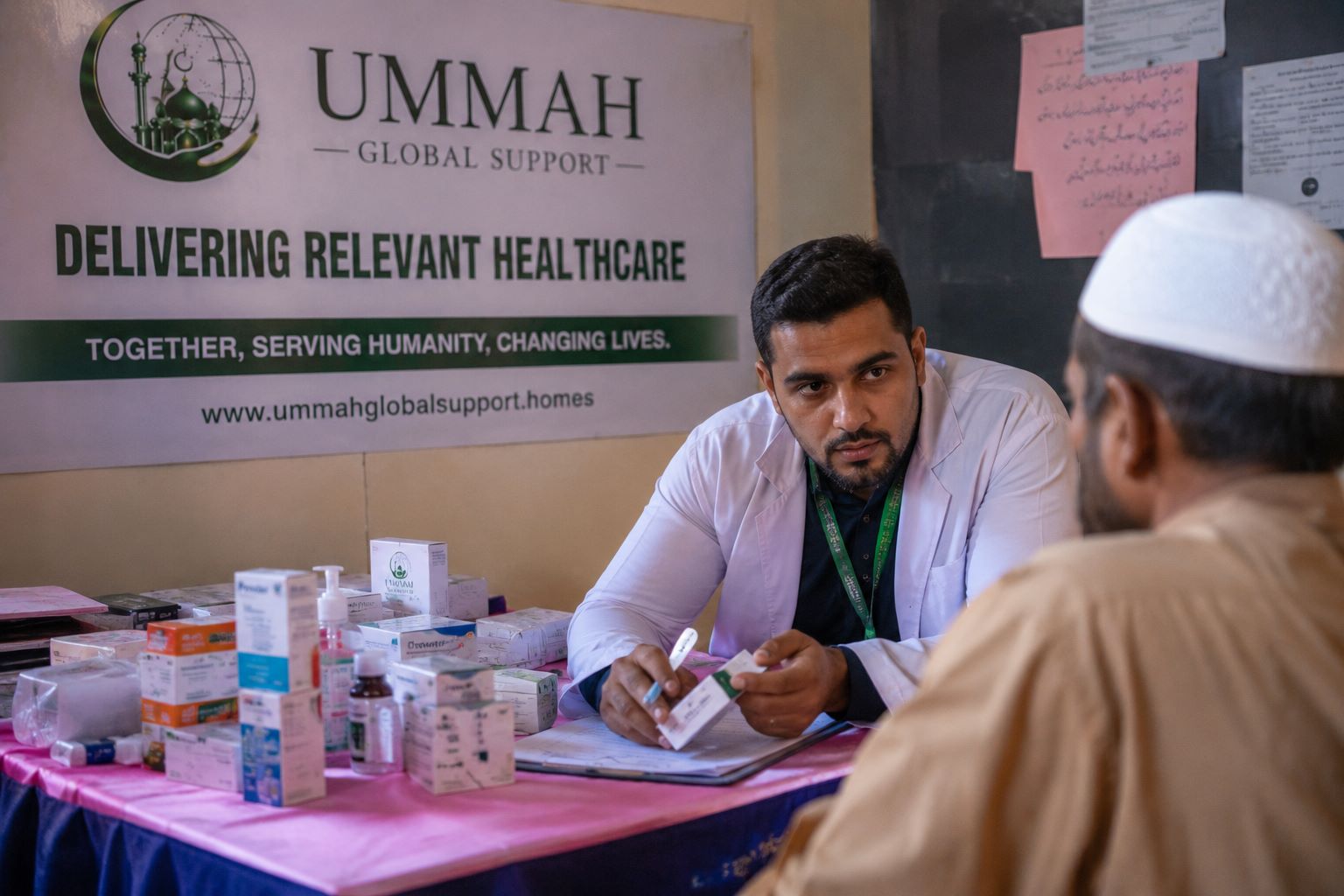
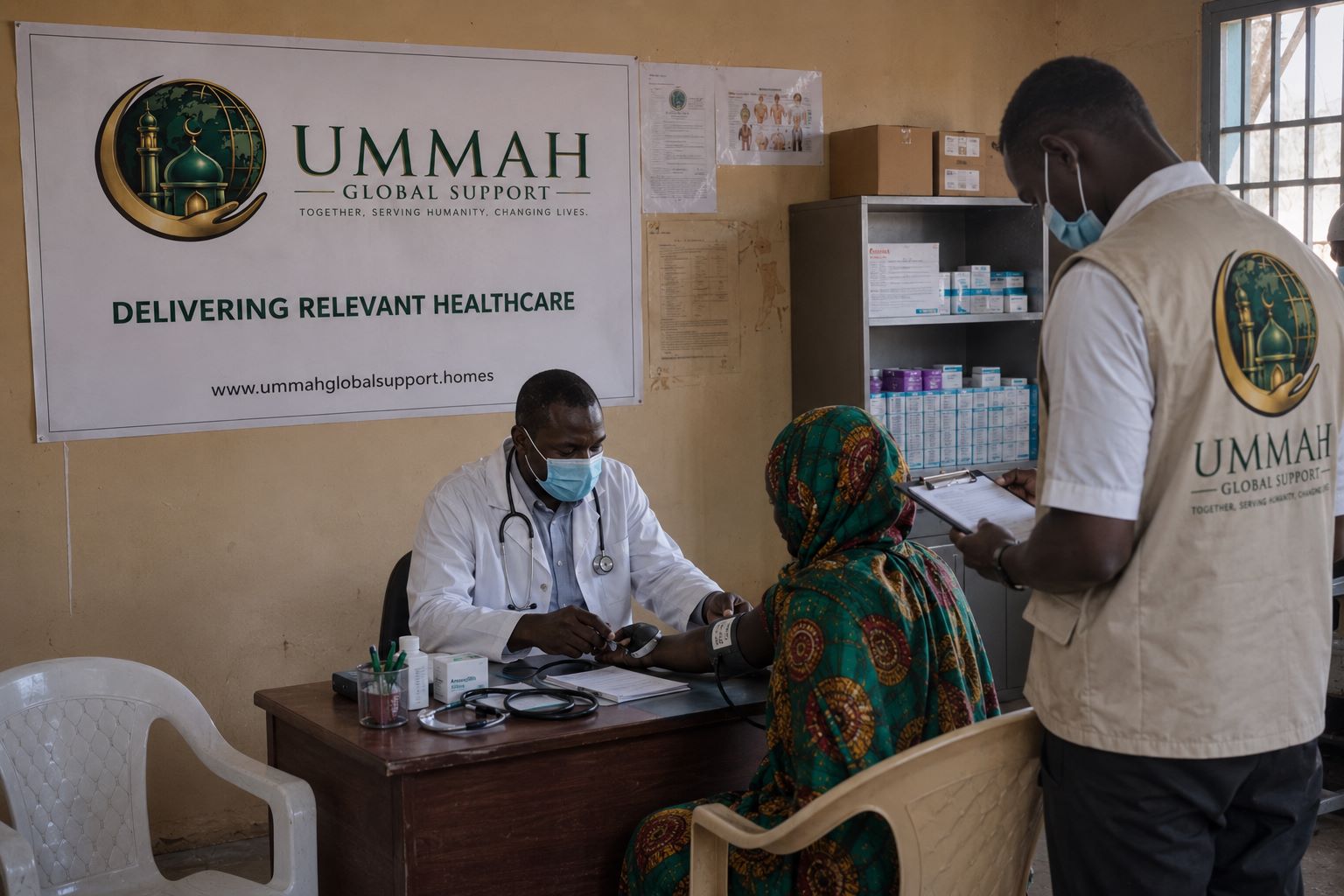

Half of the global population lacks access to basic healthcare. That means they have no access to services like immunisations, tests or scans, consultations, maternity or neo-natal support.
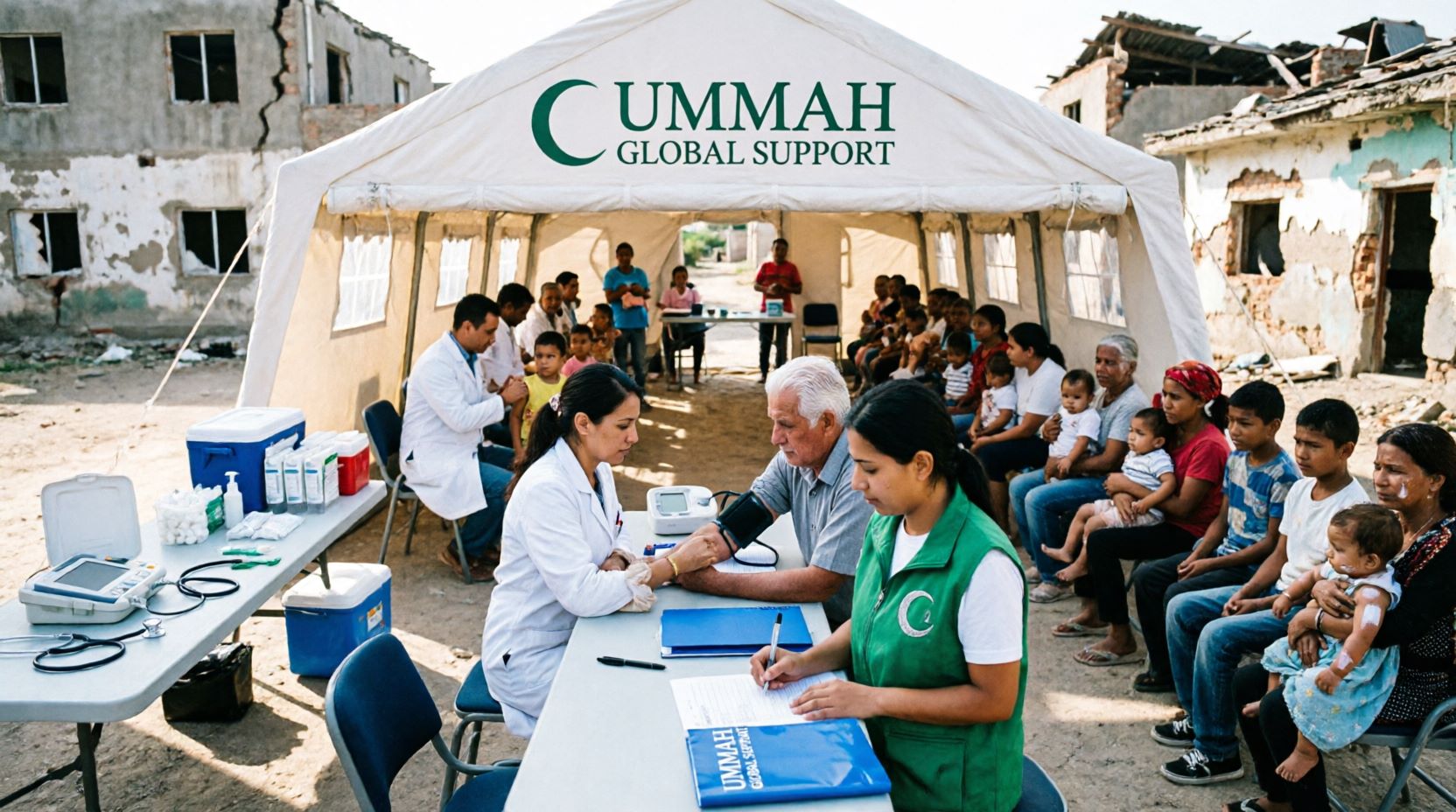
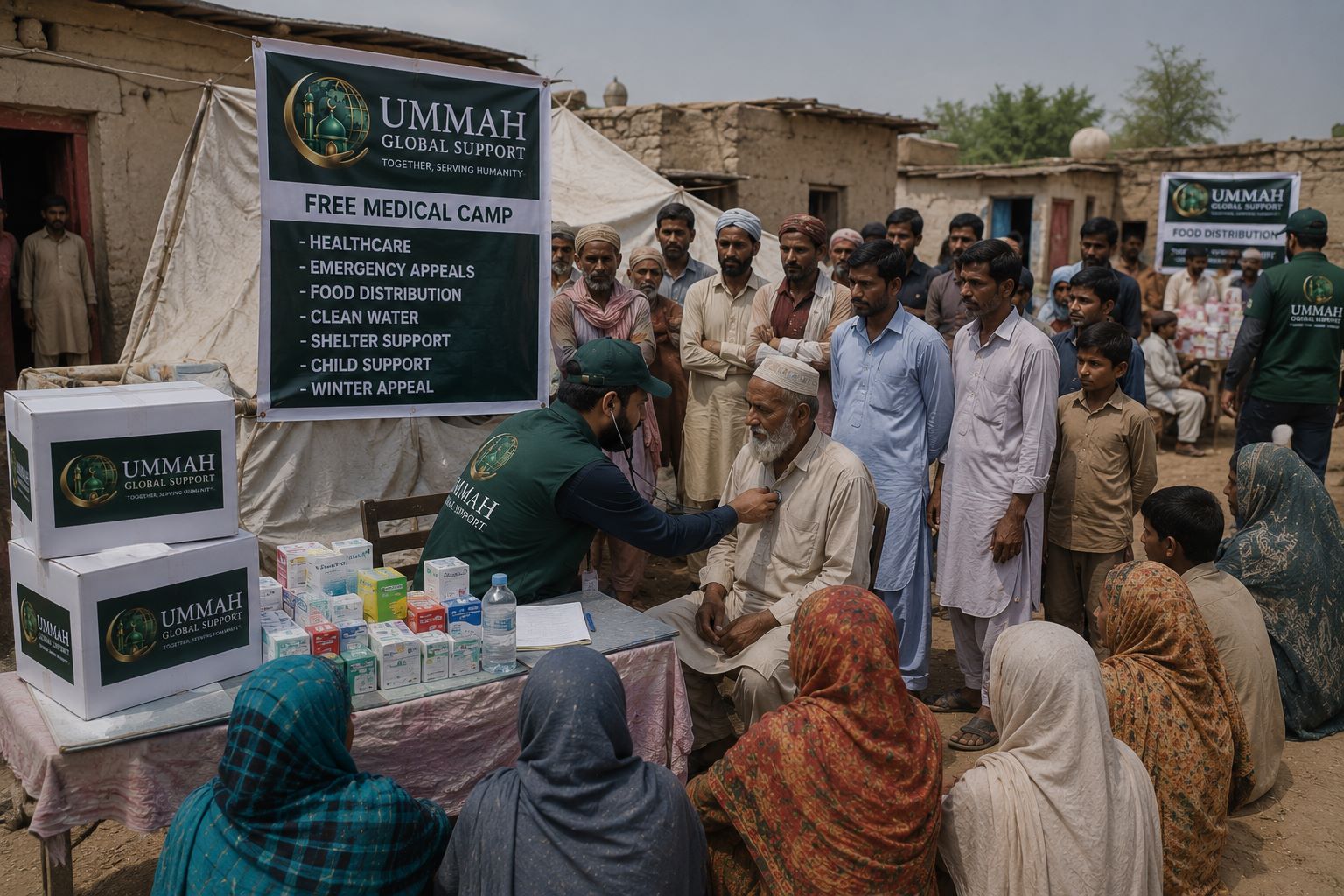
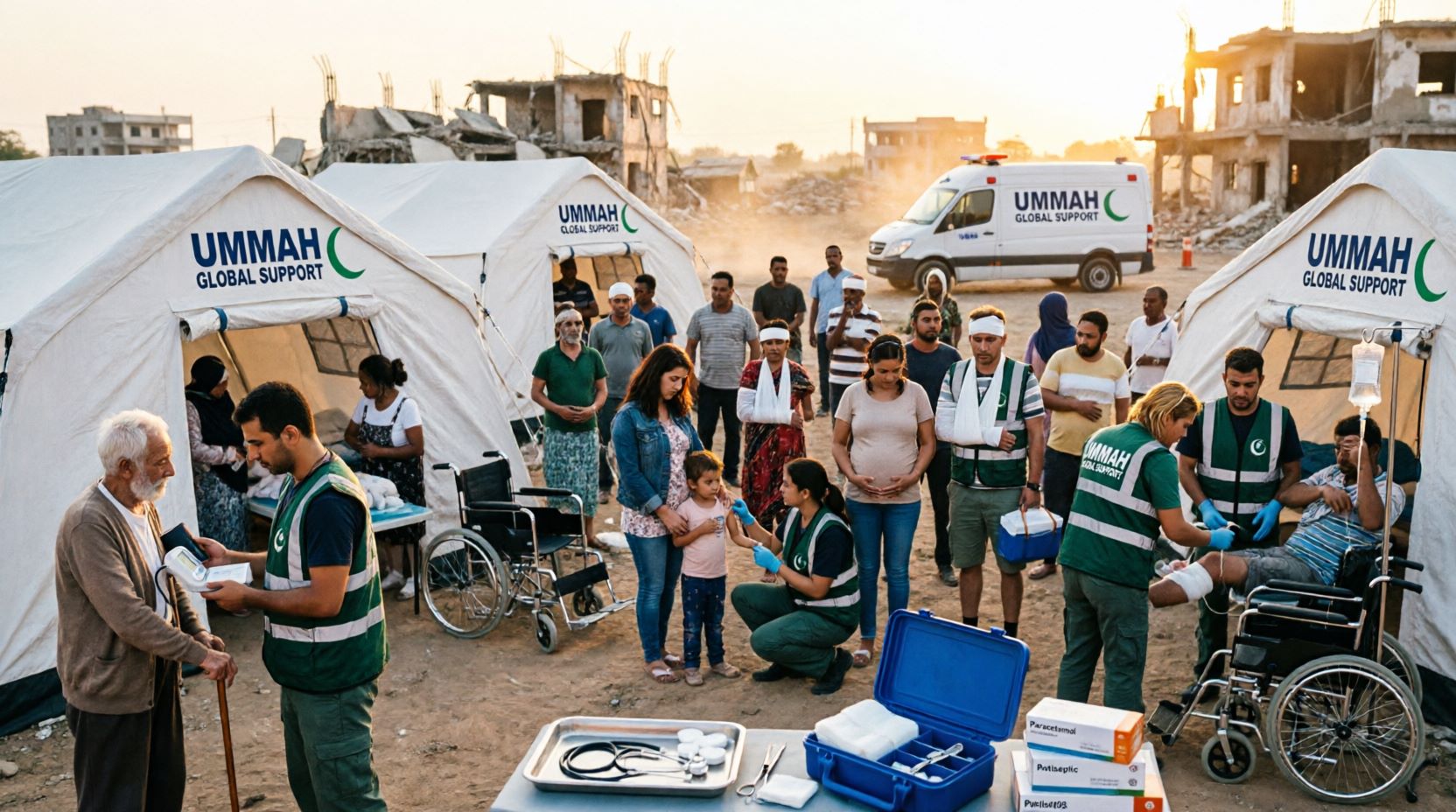
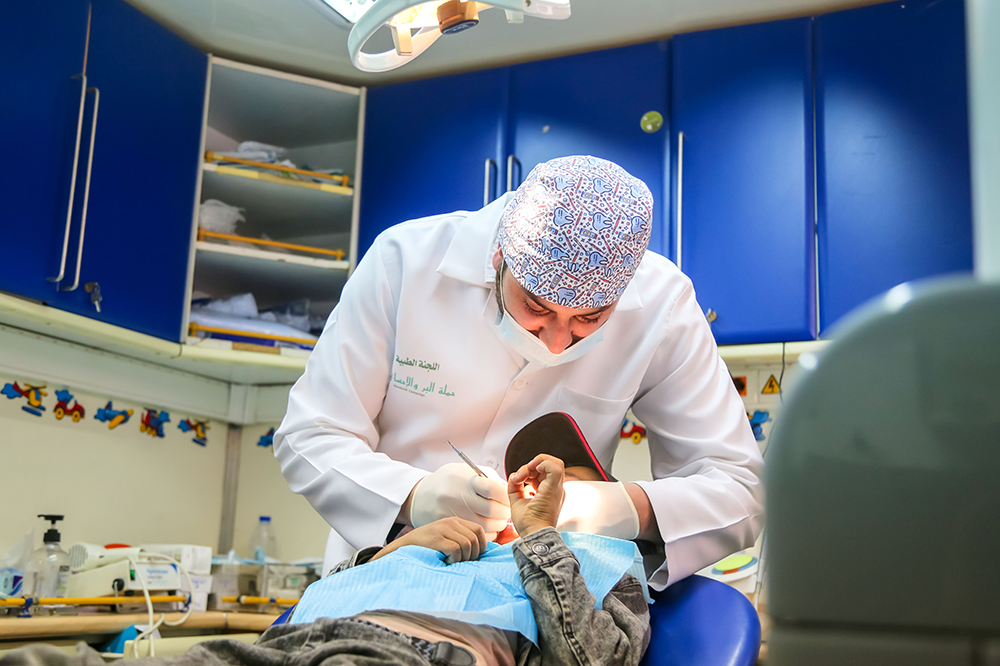
With your help, we are building services and mobile clinics which bridge those healthcare gaps, especially in areas where health services are absent or unaffordable.
Every country has its own health challenges. That’s why our approach is locally led, needs-based, and adaptable. We work with local partners to provide essential services in vulnerable communities all over the world.
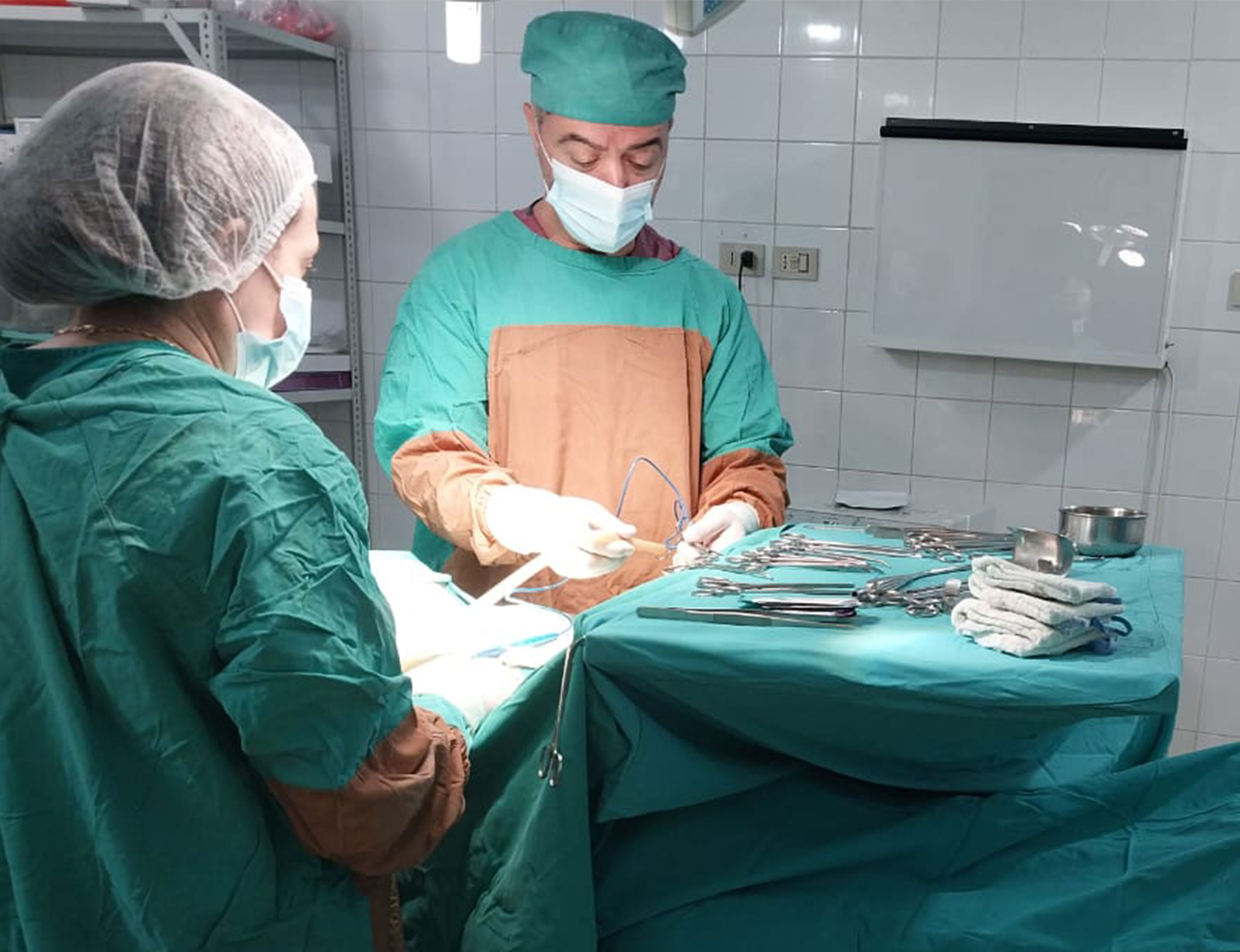
In 2024, our healthcare services reached 24,352 patients. That included our modern, multidisciplined Shifa Clinics (Lebanon and Bangladesh), emergency response in Gaza, and specialist surgeries for patients in Pakistan, Lebanon, and Egypt.
HOW WE ARE BRIDGING THE GAPS
We aim to make healthcare accessible by:
- Providing free medicine, treatment, and medical advice
- Expanding maternal and neonatal care services
- Offering reproductive health and family planning support
- Running immunisation campaigns
- Distributing vitamins to combat child malnutrition
- Delivering psychosocial counselling
- Diagnosing and referring severe conditions
- Providing emergency care for minor injuries and illness
WHY IS IT NEEDED?
- 4 billion people, worldwide, lack access to essential health services
- Every year, 100 million people are pushed into extreme poverty due to out-of-pocket medical expenses
- 1.5 million Syrian refugees live in Lebanon, 90% of whom live in poverty, many without access to healthcare
(Sources: WHO, World Bank, UNHCR, IMC, ACAPS 2024)
CASE STUDY
Ammar’s Story
Ammar, a 4-year-old Syrian refugee, was born with a congenital condition causing chronic pain.
His family couldn’t afford surgery, but they brought him to our Shifa Clinic in Lebanon. This is our flagship clinic with specialist staff, a pharmacy dispensing free medicine, and modern equipment for scans, diagnosis and testing.
Ammar was given a treatment plan and scheduled for hypospadias surgery. The operation was successful, and he is recovering well — his quality of life transformed.
Our Shifa Clinics provide essential, free healthcare in some of the most under-served areas:
- Lebanon: 1,350 patients/month, mainly Syrian refugees
- Bangladesh: 3 clinics reaching 868 patients/month
Each clinic includes:
- Qualified consultants, nurses, and support staff
- On-site pharmacy with free medication
- Diagnostic tools and testing equipment
- Patient transport service (with driver)
Monthly cost: Approx. £3,000 (Bangladesh) / Approx. £11,000 (Lebanon)
Your donation helps us to ensure that no patient is turned away.
Thousands of children in Pakistan suffer from congenital heart conditions that are left untreated because their parents or carers can’t afford surgery. Hearts in Focus funds their cardiac treatment — from diagnosis to surgery and recovery.
Each child receives:
- Full medical assessment & diagnostics
- Surgery and medication
- Hospitalisation and post-op care
- Family accommodation and travel support
Irtaza’s Story
Irtaza, aged 6, urgently needed heart surgery which his parents couldn’t afford. Salam Charity’s Hearts in Focus project covered the costs. After a successful operation at Rehman Medical Institute, Irtaza is now healthy, back in school, and playing football again.
Full care package cost: Approx. £2,500 per child
Untreated cataracts cause blindness if they’re not surgically removed. Salam Charity’s Eye Cataract Camps offer:
- Free eye exams
- Prescription glasses
- Cataract removal surgeries
In 2024:
- 500 patients received free eye care
- 54 surgeries were carried out (Bangladesh)
Cost: Approx. £2,500 per full camp or £80 per patient
When war or poverty prevent access to healthcare, we deliver urgent surgeries in crisis zones. In 2024, Salam Charity supported life-saving procedures including:
Palestine:
- 10 essential surgeries
- 5 natural deliveries
- 5 C-sections
Egypt:
- 4 urgent operations
Lebanon:
- 13 critical surgeries for vulnerable patients
Every surgery restores dignity and quality of life. Your support makes this work possible.
Related Causes